Questions around EPR policy, a tool to support textile recycling, and the need for more research and data in the textile sector



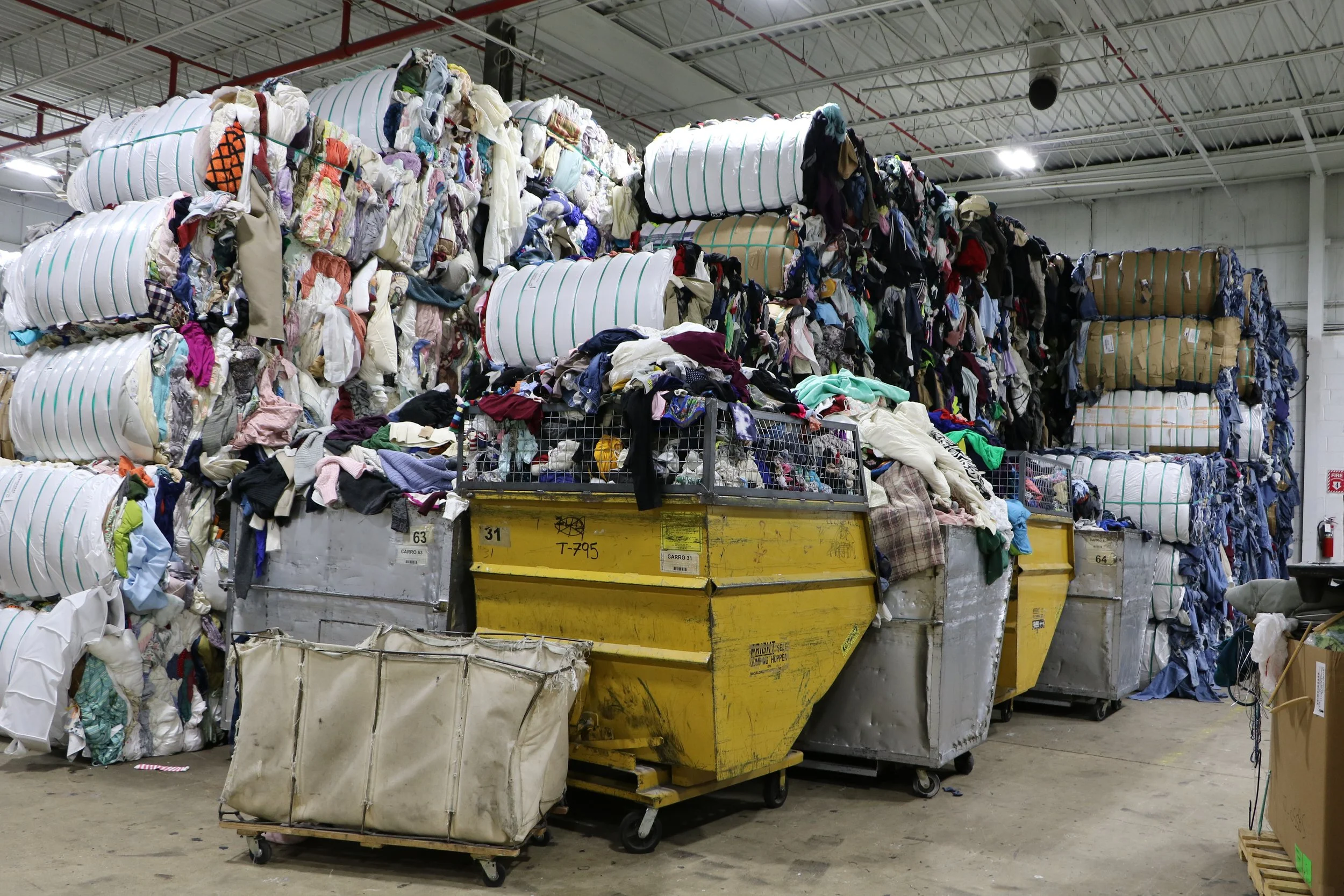
In Episode 340, Kestrel welcomes Constanza Gomez, the cofounder and CEO of Sortile, to the show. Sortile is a company focused on empowering the textile recycling industry with technology that enables the identification, sorting and traceability of textiles.

“I was a much more hopeful person when I started this company and I've slowly become more of a skeptic. But that means I've leaned more heavily on the need for regulation versus people acting of their own free and good hearts. And so I think the opportunity is great. You can redefine and set real incentives to manage end of life better.” -Constanza
THEME — EXTENDED PRODUCER RESPONSIBILITY & TEXTILE WASTE DIVERSION
EPR, or Extended Producer Responsibility, has come up on the show in the past in various capacities – we first talked about it in depth back on episode 275 with Liz Ricketts and Sammy Oteng from The Or Foundation when they were the first grant recipient of SHEIN’s Extended Producer Responsibility (EPR) Fund to help manage textile waste.
Just to get our minds on track for this chat – EPR or Extended Producer Responsibility initiatives or legislation ideally ensure that producers are required to assume the costs of collection, treating, and recycling of the end-of-life of their products.
We are currently in a very exciting time when it comes to EPR policy around the world – there are mandatory schemes in France, Sweden and the Netherlands, with others on the horizon … and where I’m based, here in California, the nation’s first EPR policy for textiles, SB 707, passed in 2024, and is currently moving through the process of being implemented.
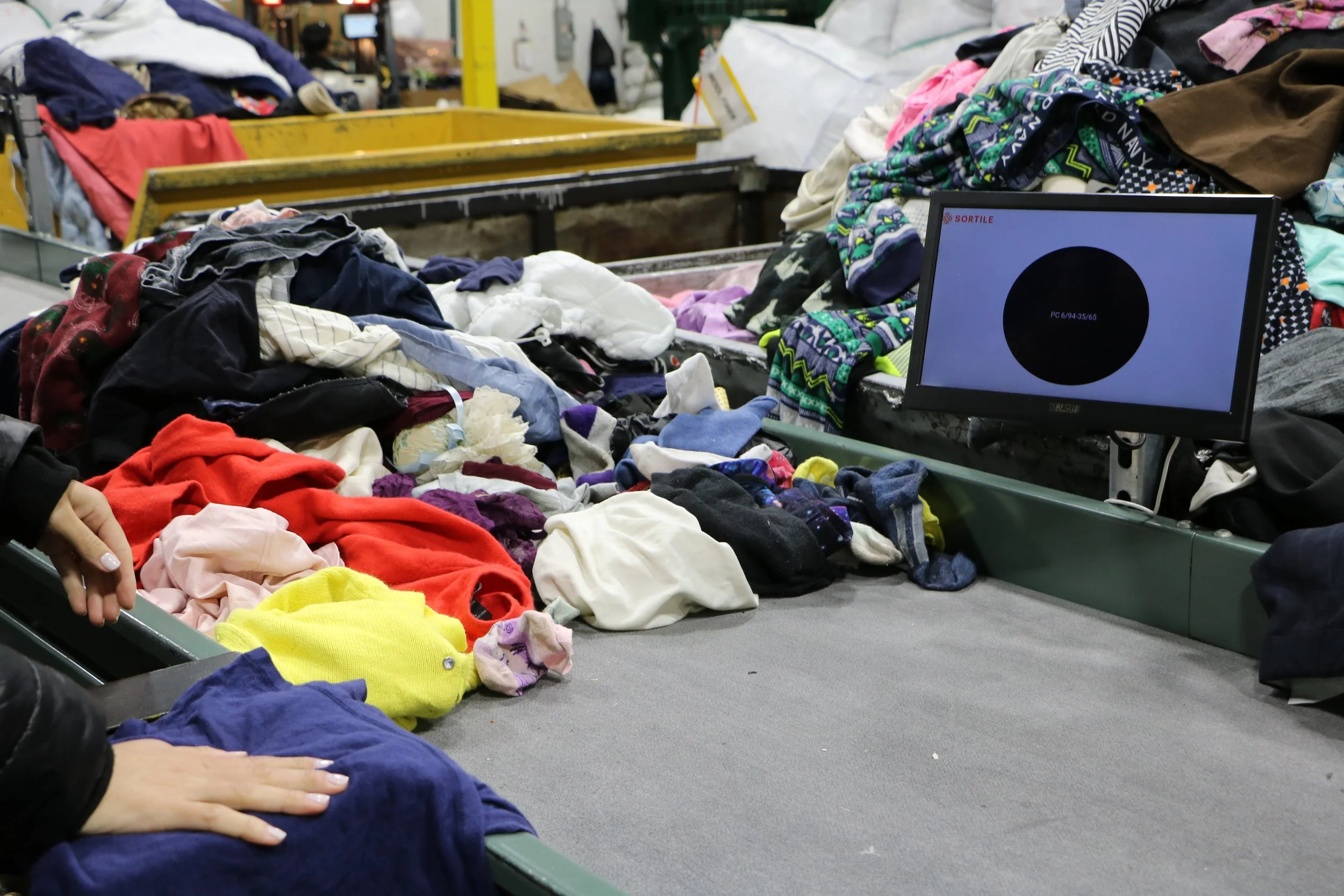
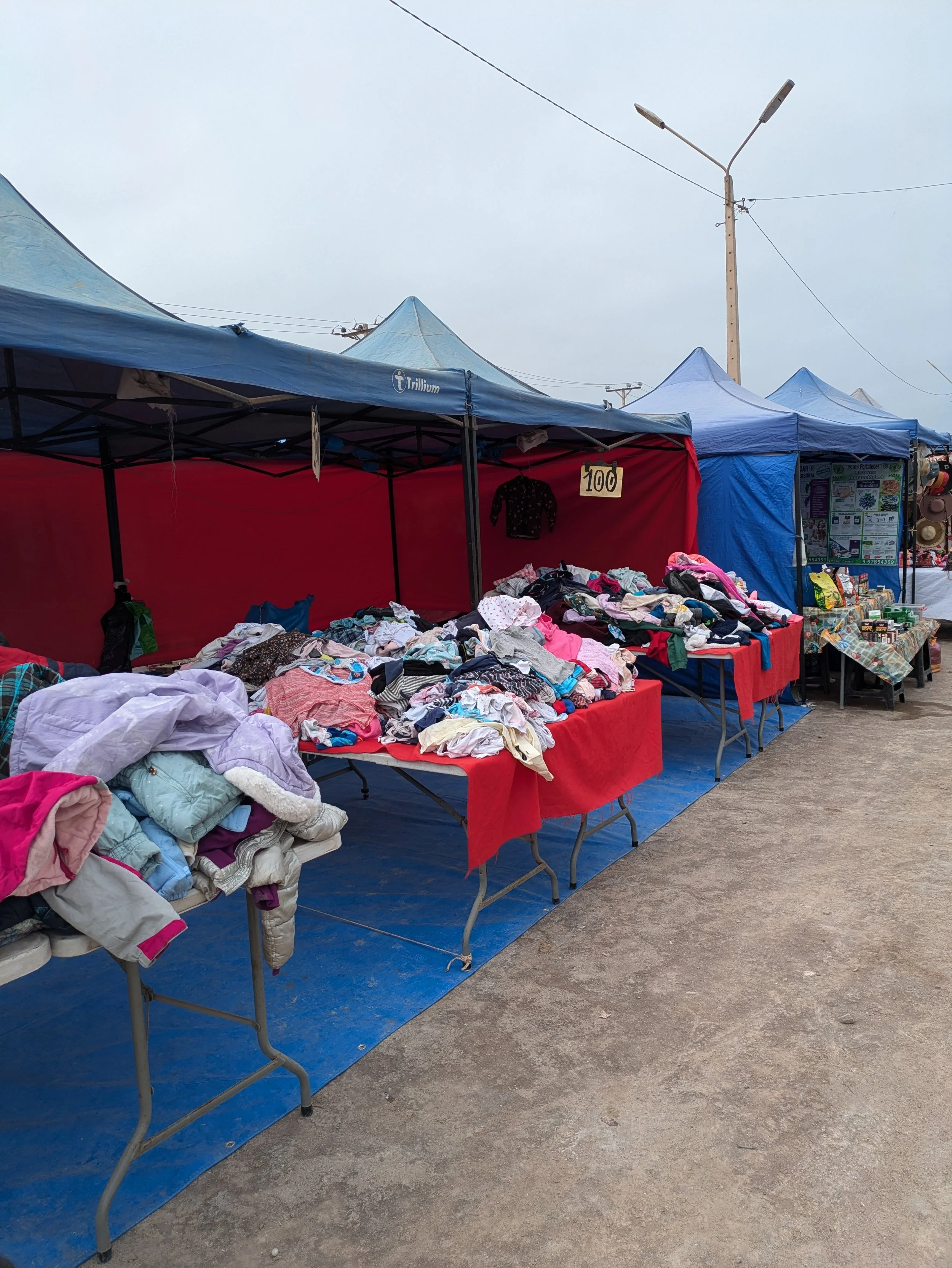
There are still SO MANY UNKNOWNS when it comes to how these policies are going to play out, but one thing that this week’s guest sees as a benefit to this shifting legislation is – MORE ACCESS TO DATA.
As she shares, we just don’t have enough data on the textile industry, and when we do, it’s generally static data. When EPR comes into play, companies are going to HAVE to report and share specific data, which is going to bring in a much more consistent stream of data and over time, will lead to having more access to dynamic data as well.
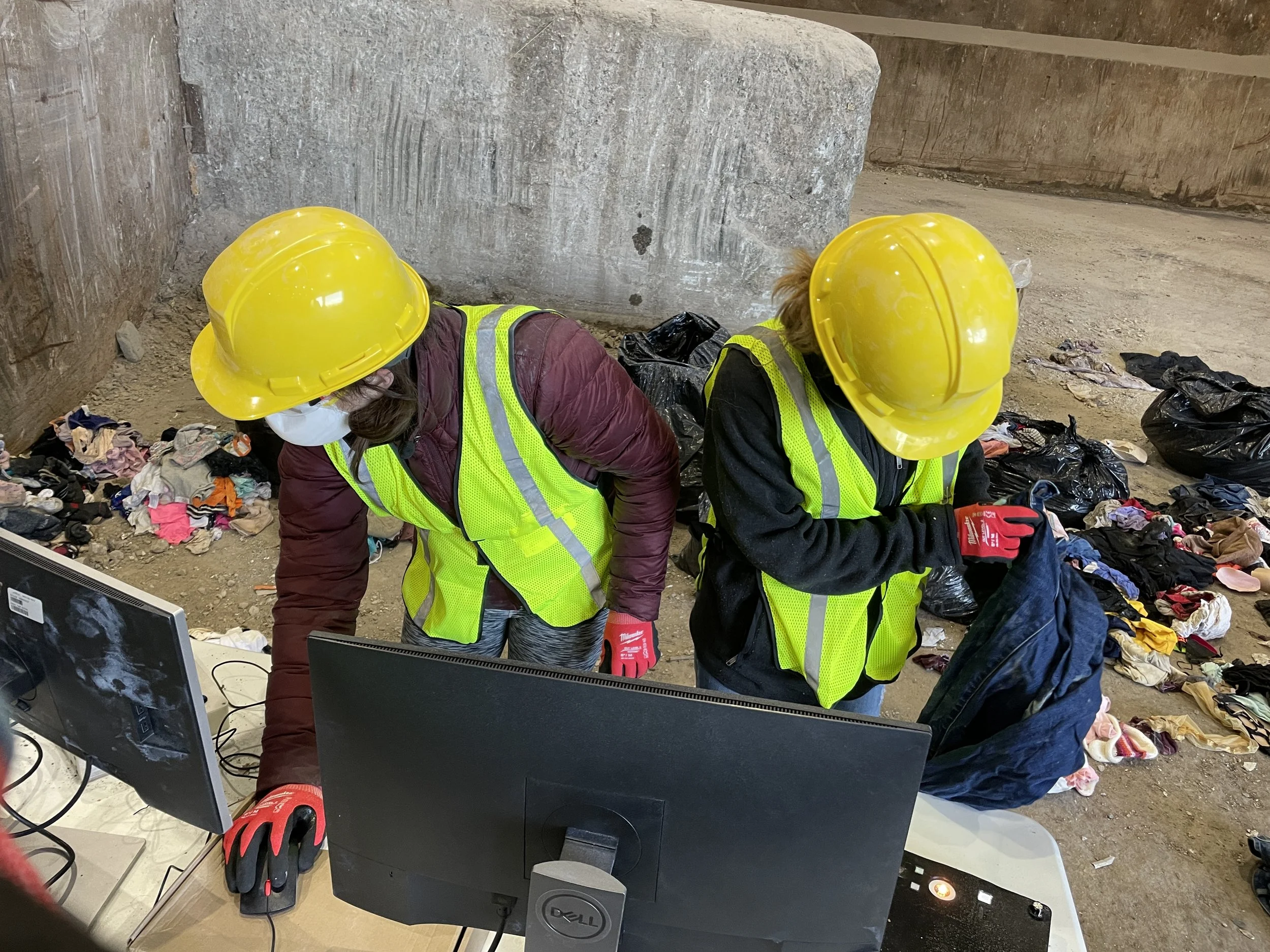
This week’s guest sees the direct link between research and data, and the need for more of both across the textile space to support more textile diversion – her own research led her to develop a table top textile scanner that helps determine the fiber composition of textiles, a massive support in the sorting process.
We talk about that, but also bigger questions around the opportunities and challenges she sees with EPR policy. I have to say – one thing this week’s guest absolutely nailed in our conversations is – posing which questions that we should be asking right now with a big focus on – how do we make these systems practical?