Breaking down California's SB 707: The Textile Recovery Act of 2024, the nation's first textile EPR bill and some of the ways it will impact the fashion and textile sector
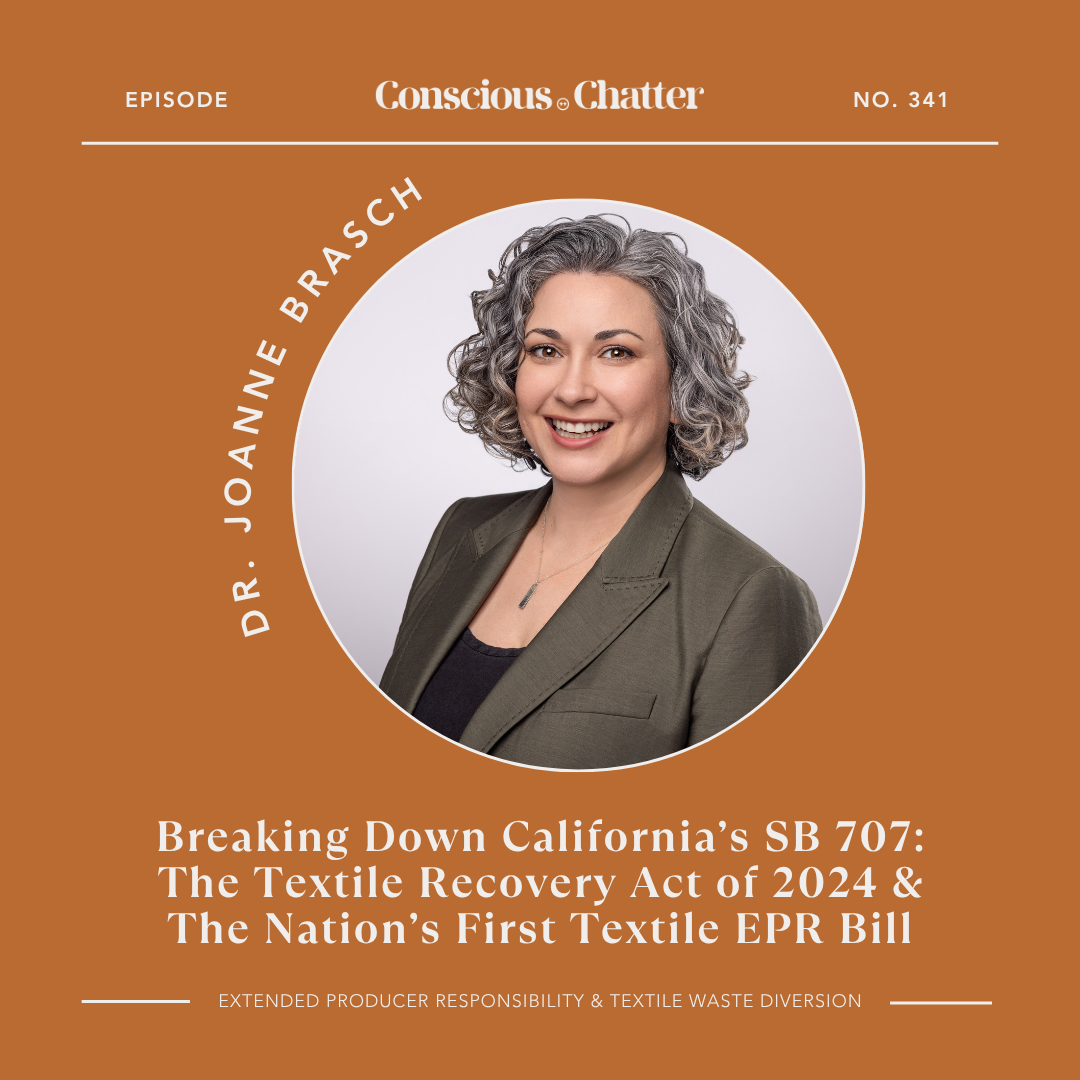


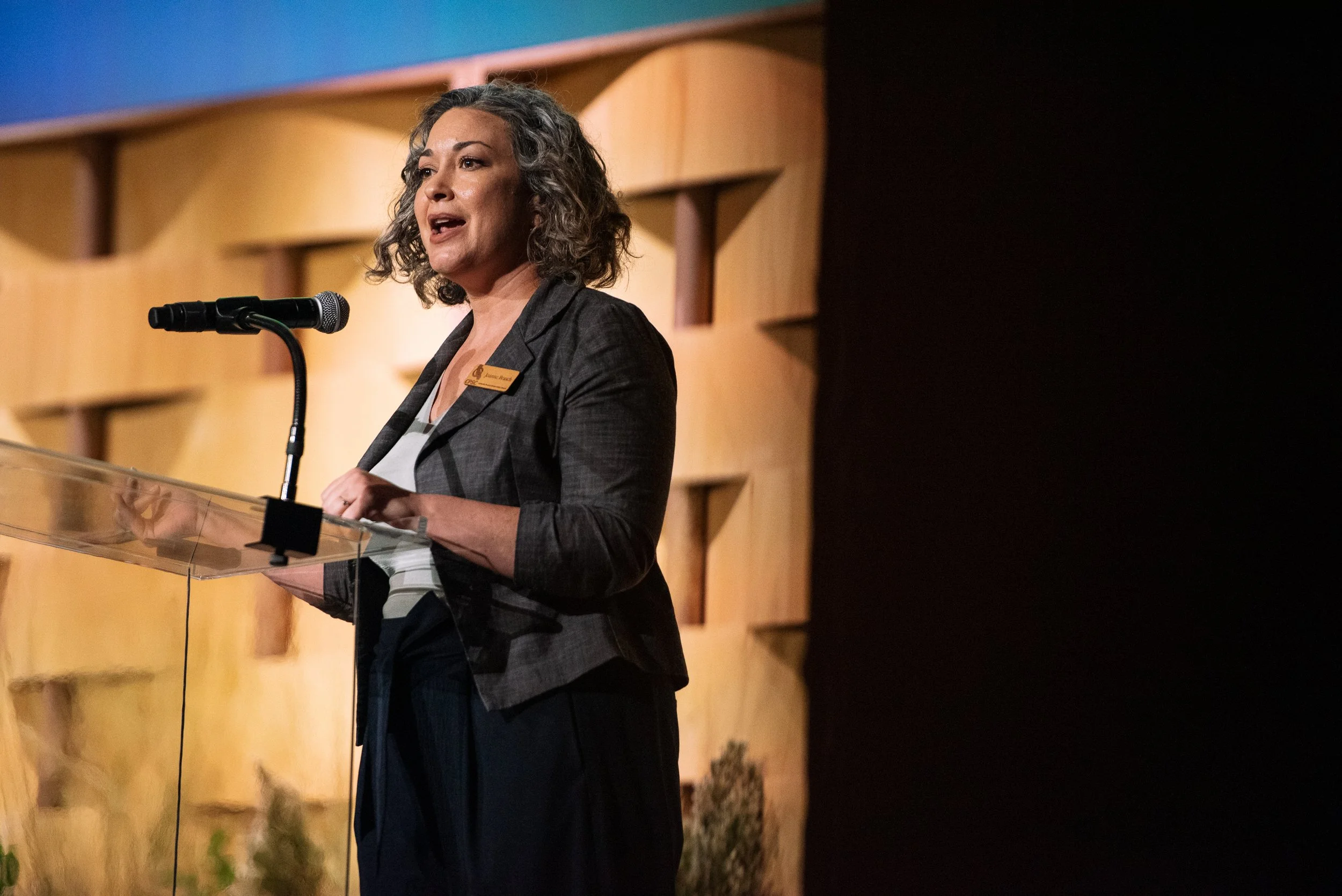
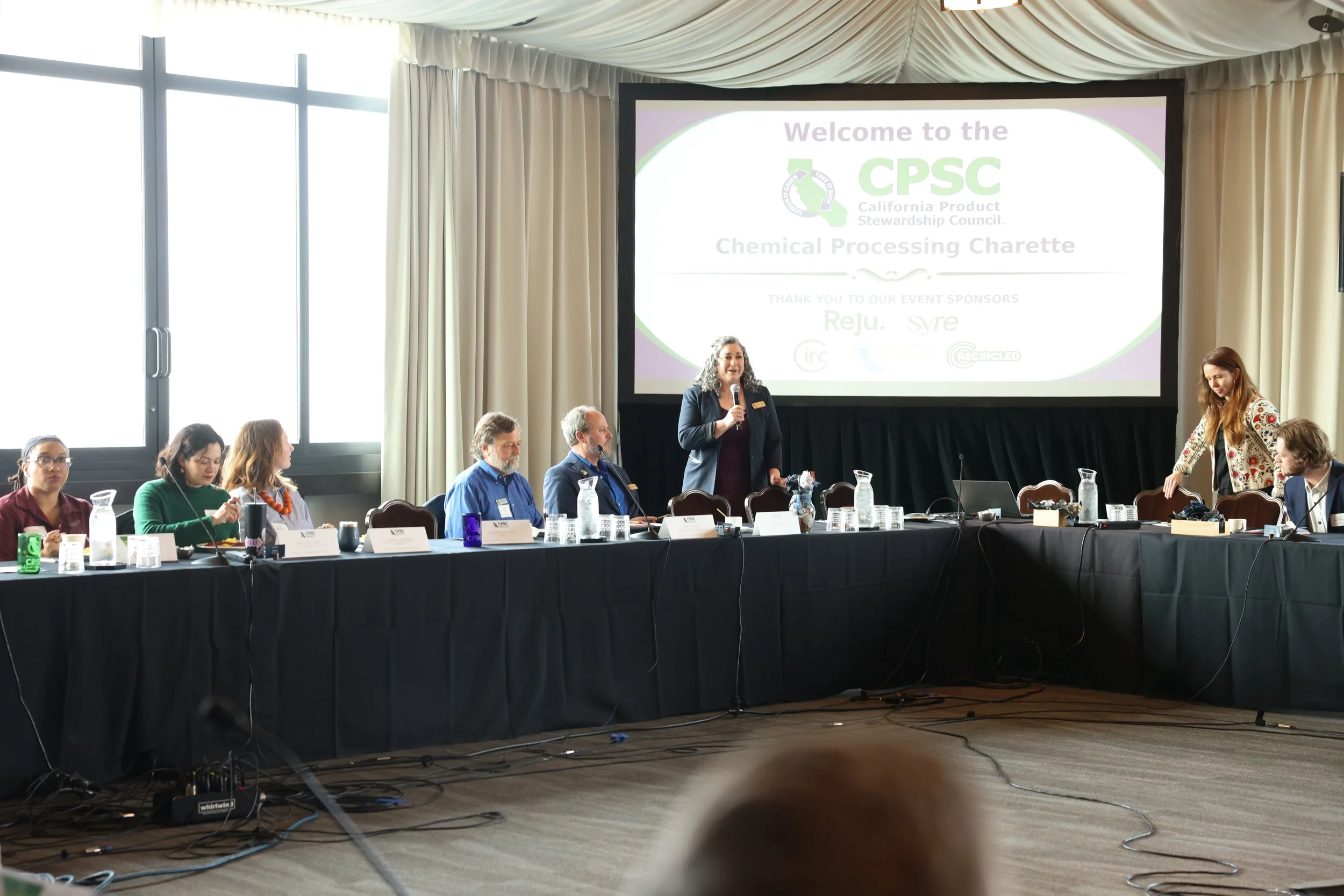
In Episode 341, Kestrel welcomes Dr. Joanne Brasch, the Assistant Director at the California Product Stewardship Council (CPSC), to the show. A network of local governments, non-government organizations, businesses, and individuals supporting policies and projects where producers share in the responsibility for managing problem products at their end of life, CPSC is California’s thought leader and expert on Product Stewardship and the Extended Producer Responsibility (EPR) movement.
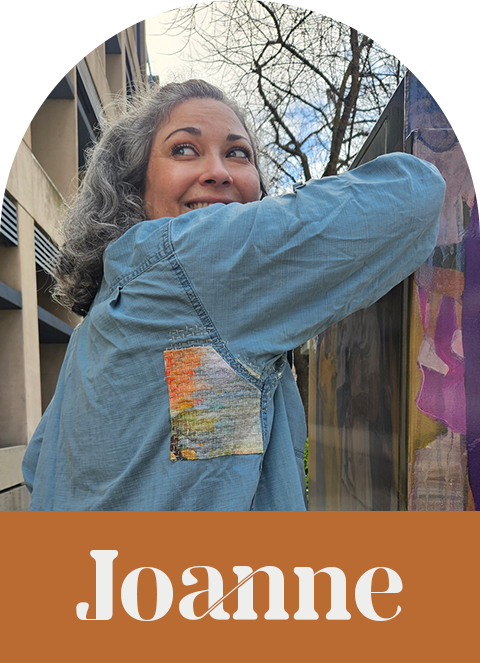
“We're most proud of our textile EPR program because we achieved a lot in SB 707 that set a new level, a new generation of EPR programs that take a higher priority and implement a lot more reuse and repair throughout the program.” -Joanne
THEME — EXTENDED PRODUCER RESPONSIBILITY & TEXTILE WASTE DIVERSION
This episode is the second in our two-part series dedicated to exploring some of the layers around Extended Producer Responsibility, or EPR, and Textile Waste Diversion.
In line with this conversation, I want to share about an upcoming event I’m collaborating on that’s taking place in Los Angeles on June 10th. The Recovered Textile Exhibit is hosted by the City and County of Los Angeles, the California Product Stewardship Council, and the LA Cleantech Incubator. It’s funded by CalRecycle, LA Sanitation, and others, and is in collaboration with Afflare.co and Fashion Is Outrageous.
There will be keynote speakers, discussions, and interactive activities that my cofounder Gabi and I helped develop, all with a focus on textile circularity and diverting textiles from the landfill. Additionally, the PRO (Producer Responsibility Organization), Landbell, will be present at the event.
If you’re interested in attending, you can RSVP below. If you’re able to join, I hope to see you there!
On the last show, we touched on some of the big picture ideas around EPR, and many of the questions around how we can make these circular systems practical.
On this week’s episode, we’re diving deep into the first-ever textile EPR bill in the U.S., SB 707: The Responsible Textile Recovery Act of 2024. While this isn’t the first EPR policy to hit California or the nation, it is the first to cover TEXTILES.
I chat with someone who played an integral role in the legislative process for the bill – we dive into more on their open-collaborative approach and the importance of community-informed programs, we explore what the “most diverse board requirements” means within the context of SB 707, we learn about how feedback played a distinct role in the legislative process including some from the Or Foundation, and we discuss some of the definitions within the bill like REUSE and RECYCLE, with a focus on unpacking the definition of REPAIR, which is the first global definition that includes upcycling.
You will hear words and phrases like PRO, Needs Assessment, dynamic, legislative and regulatory process, and more. We do our best to help contextualize these definitions along the way, but if you have questions, let me know. I don’t want this to feel like another policy conversation that leaves you in the dark – I want it to feel like you can feel welcomed into it, as this is a monumental bill for California and the sustainability and fashion industry as a whole.
One of my favorite things about this bill is that it’s DYNAMIC, meaning it will change over time, and be rewritten every 5 years, based on key findings and learnings. So remember – your voice can play an important role in how this bill continues to evolve moving forward.
Also, to note – when this episode was recorded, our guest’s new title had not yet been released publicly. Congrats to her, as she is now the Assistant Director – you’ll actually hear her reveal it to us later on in the episode.
Quotes and links from our conversation:
“If we're shopping in a different way 20 years from now, this program can adapt to that because the plan is rewritten every five years and has evidence-based decision-making provisions within the program.” -Joanne on why SB 707 being a dynamic bill matters
“I think the open collaborative approach has really been making sure everyone is using the same language and understands the same process so we can get the best engagement now.” -Joanne on CPSC’s approach to developing community-informed programs
“We know repair costs more. We know that it's labor intensive, but we also know, you know, it's a greater GHG reduction and opportunity to again create new products from existing materials.” -Joanne on the importance of incentivizing repair in the bill
Recovered Textile Exhibit, June 10th (2026) in Los Angeles, CA
Join the STRAT (Statewide Textile Recovery Taskforce)