
Fashion's complex history with data, how Textile Exchange is addressing it through their open-source reporting and ensuring the search for *perfect data* doesn't hinder real action
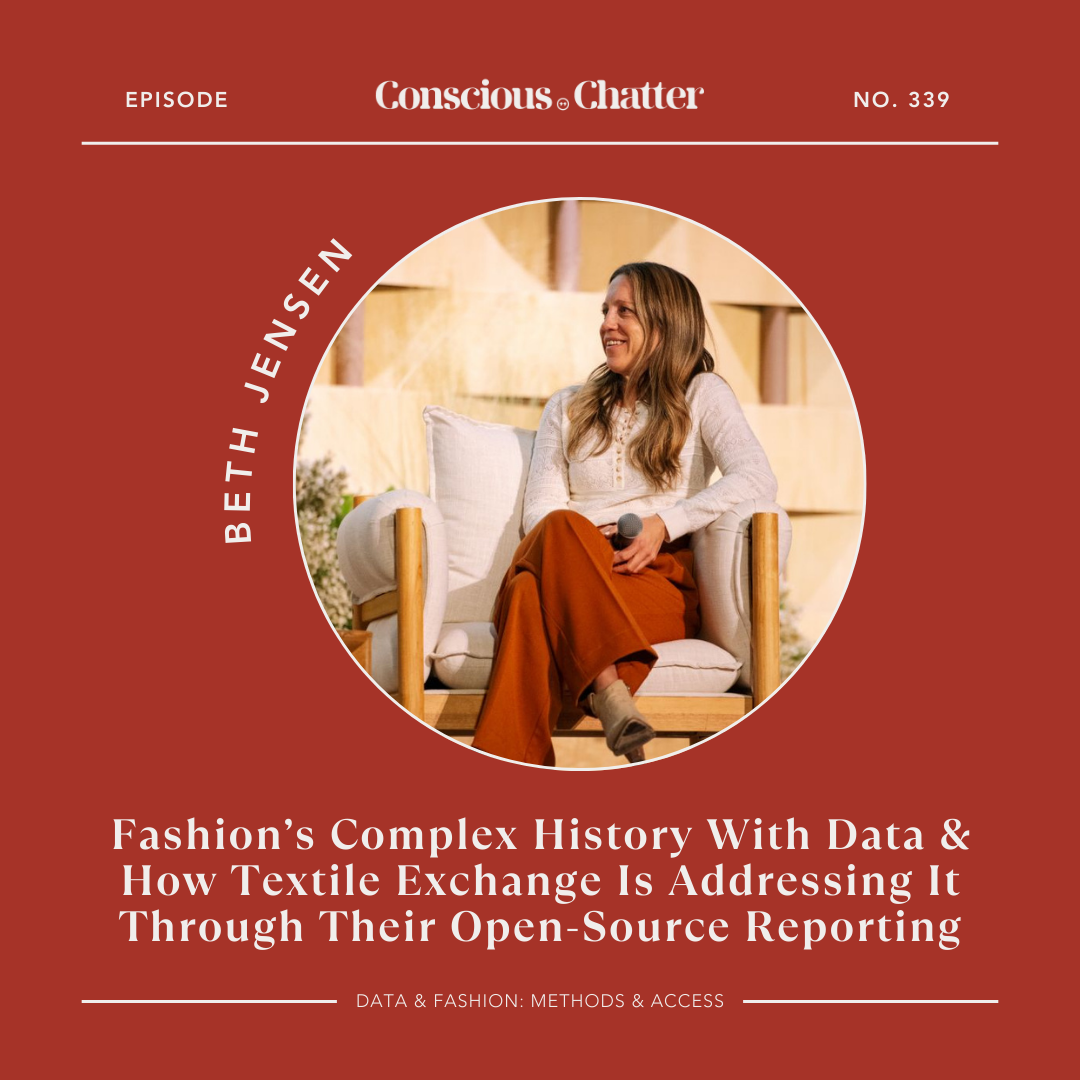


In Episode 339, Kestrel welcomes Beth Jensen, the Chief Impact Officer at Textile Exchange, to the show. Leading the organization’s efforts to achieve beneficial climate and nature impacts, Beth oversees key functions at Textile Exchange including impact data and Life Cycle Assessment studies; impact tools and reporting mechanisms; reports and research; fundraising; and public affairs/policy.

“A big part of vulnerability is really admitting that you don't have all the answers. So in sustainability, in fashion, apparel, and textile space, this is just the way we have to operate. If you said you had all the answers, you wouldn't be taken seriously in this space … What you present as data might change the next time you present it because you have new and better information. You just have to be able to work in the gray and really take the best available information and make informed decisions based on that information.” -Beth
THEME — DATA & FASHION: METHODS & ACCESS
Before we dive in, I want to take a moment to remind us all that FASHION IS POLITICAL.
Whenever a big politically-charged moment arises in the U.S., there is this narrative I see creeping around that expects fashion (brands, designers, creators, etc) to stay silent on quote unquote political issues – that fashion should stay in its so-called lane, detached from the world around it.
Here’s the thing – FASHION IS POLITICAL. It always has been and it always will be. It doesn’t exist in its own little vacuum. If you care about the fashion industry, and its impact on people and the planet, it’s imminent to pay attention and engage in so-called politics, because it’s entirely interconnected. Just to mention a few of these significant overlaps –
The origins of the fashion industry in the United States – cotton grown by Black enslaved folks who were forced to immigrate – is political.
The way clothing supply chains operate – predominantly spread across the Global South where our clothes are made by mostly women of color, who are often paid less than a living wage – is political.
How certain materials permeate the fashion industry – fossil fuel-derived fibers AKA plastic. While other natural fibers were historically made illegal to grow AKA hemp – is political.
The largest garment manufacturing city in the U.S. is Los Angeles, employing over 46,000 garment workers, most of whom are immigrant women from Mexico and Central America. L.A. is the wage theft capital of the U.S., with the average hourly wage being $5.85 (Labor Violations In The LA Garment Industry, Garment Worker Center, 2020)
The institutionalized violent origins of ICE as well as the continued horrific acts they have made toward immigrants and nonimmigrants, fellow members of our communities – is political.
As Faherty called it in their recent IG post – systemic inhumanity affects us all – our families, friends, colleagues, neighbors and communities, and that is political.
If you try to separate fashion from politics, clothing from humans, it’s impossible. Clothing is made by people who are integral members of our communities and valued creatives along the supply chain. We must advocate for our fellow community members and the safety of our neighbors.

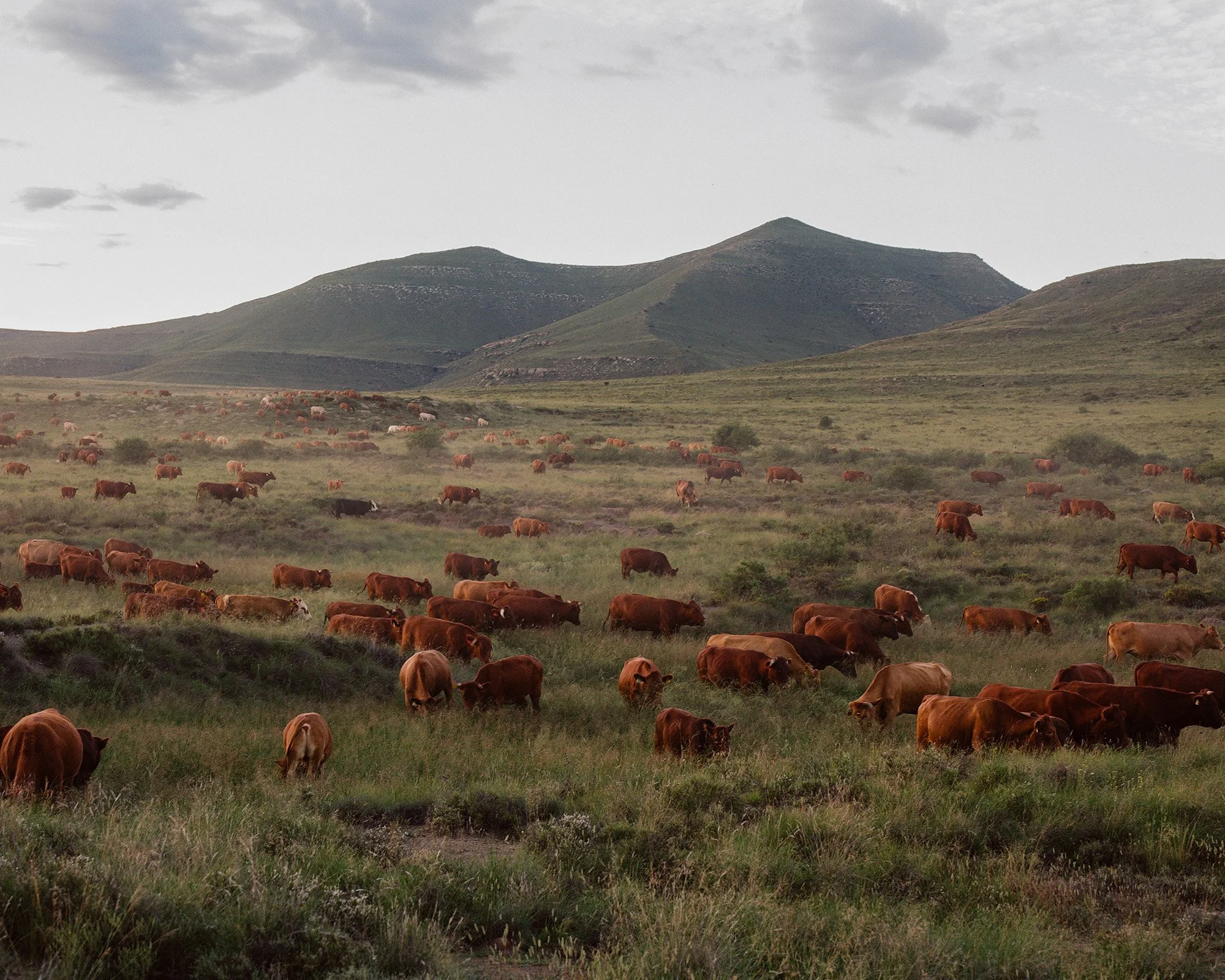
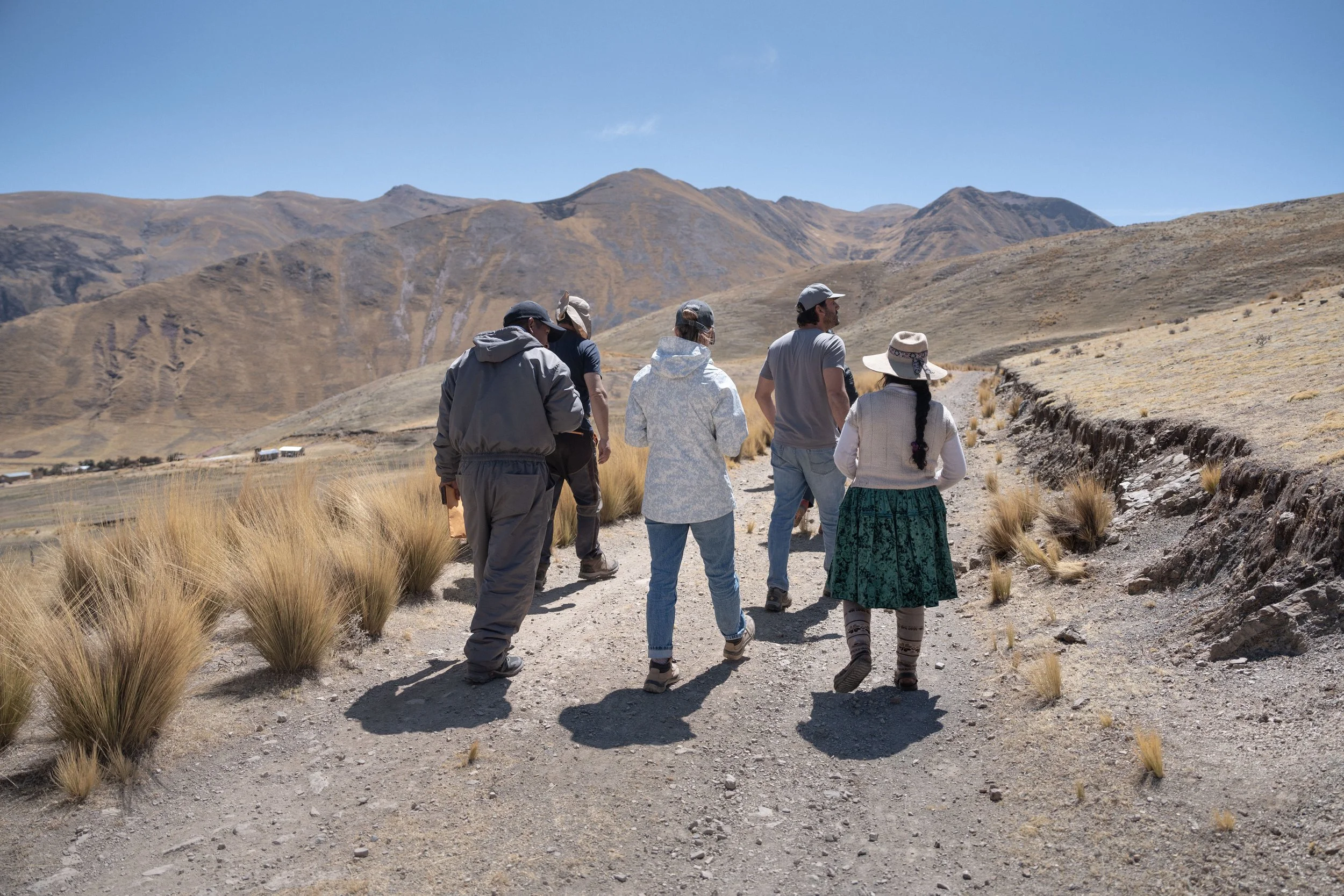

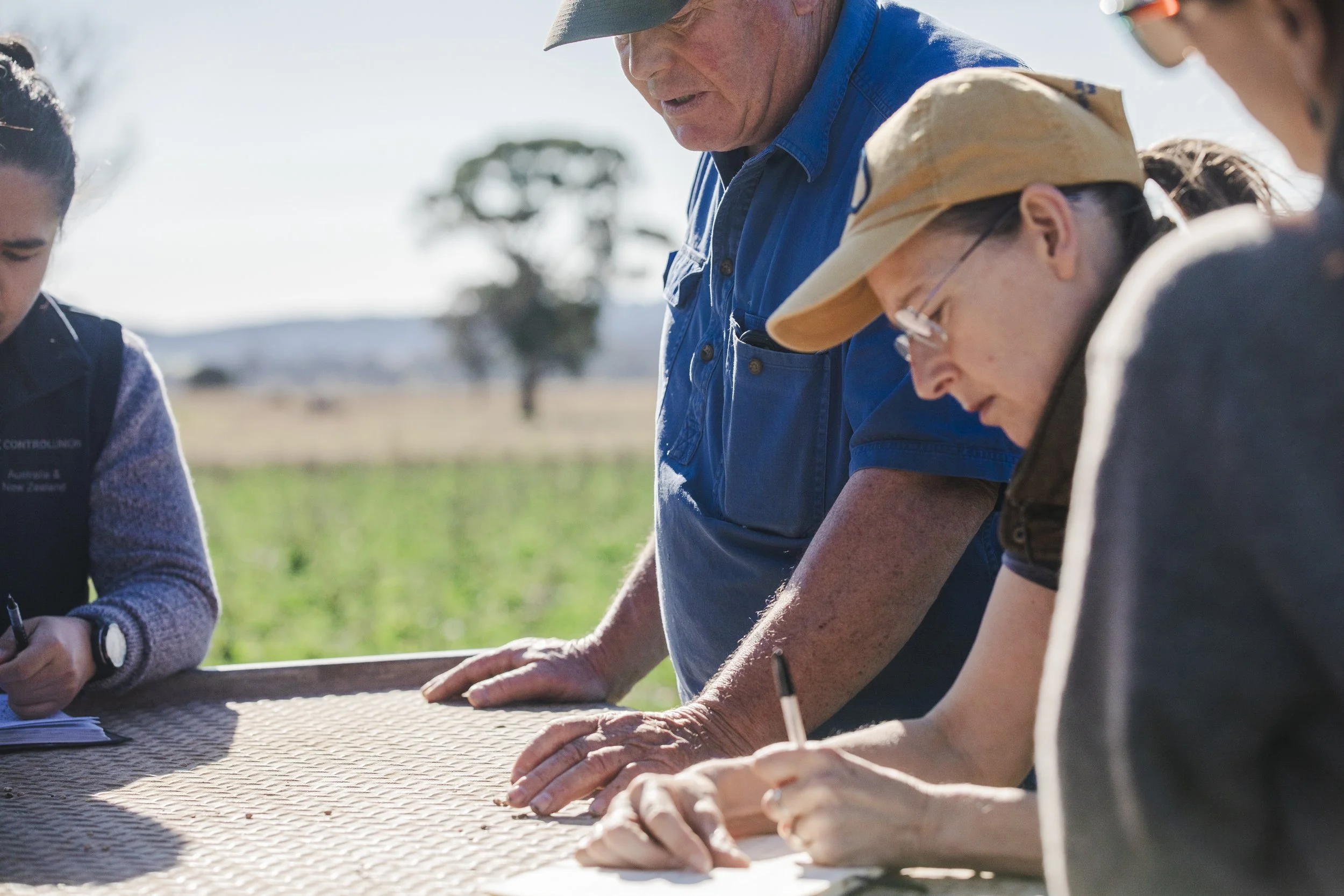
photos above by: Anass Ouaziz, Angela Ponce and Mike Terry.
This is the second episode is a 2-part series dedicated to DATA IN FASHION. While many of you may already have an understanding of these elements, I think they are important to reframe and contextualize the following conversation.
The fashion industry and the so-called sustainable fashion space has a concerning history with data. The so-called stat – fashion is the 2nd largest polluter globally, second only to oil – unfortunately spread like wildfire before it was found to be unsubstantiated – in 2017, journalist Alden Wicker brought this to light in an article on Racked, and the NY Times did a deep dive into it the following year, calling it the “biggest fake news in fashion”.
It’s clear that the fashion industry has a massive impact on the earth and its inhabitants – it’s an industry that not only thrives with models of overproduction and waste, it also prioritizes synthetic fossil fuel-derived materials like polyester. But, considering how long this inaccurate claim was utilized by the sustainability and fashion realm (to note, I still see it used today and often have to send articles to folks to remind them that it was never substantiated) – I guess, it becomes challenging for fashion to be taken seriously in the greater climate conversation.
Being that fashion is one of the most underregulated industries – I know this is shifting with more policy coming into play, but it’s slow. This has further reduced the amount of data collected from brands, because it hasn’t been required.
As you can tell, data, fashion and sustainability have a complex history. This week’s guest understands this reality, and is pushing to shift the narrative through her work with Textile Exchange. But it’s a tricky task, when for her, a lack of data shouldn’t prevent us from taking action.
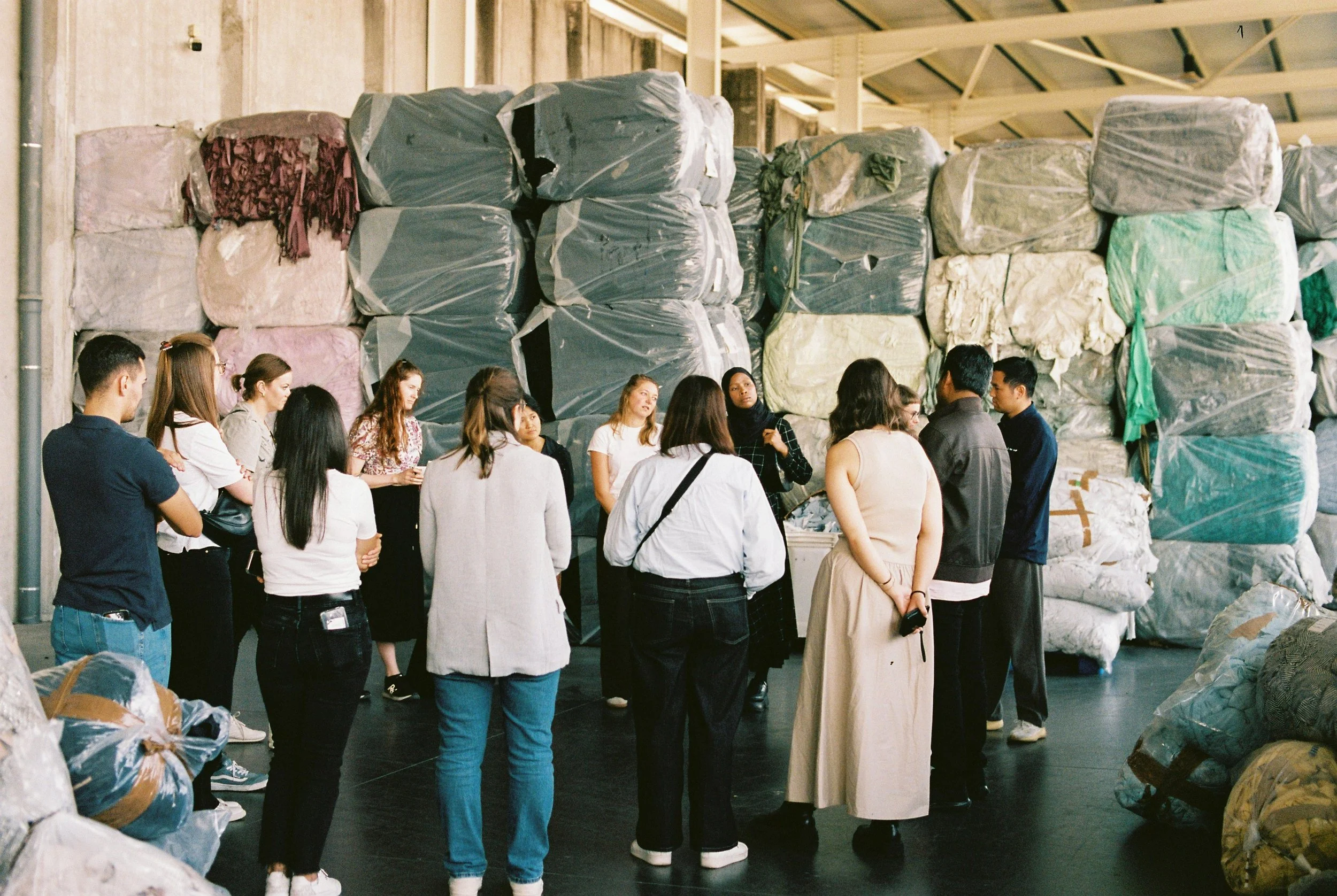
photo by Luisa Bravo
“Without having data to underpin statements about something working toward reducing impact or creating beneficial impact, there's really nothing for those statements to stand on. Now the challenge there is making sure that we're striking the right balance of not letting perfect data get in the way of doing the work that we need to do to improve practices and create beneficial outcomes for the industry.” -Beth
Paper on Ensuring Integrity in the Use of Life Cycle Assessment Data (Press Release)