
Why decomposition is a missing piece in the fashion and circularity conversation and what the Nature Of Fashion Initiative's early case studies can teach us


In Episode 347, Kestrel welcomes Asha Singhal, the Director of the Nature of Fashion Initiative at the Biomimicry Institute. A not-for-profit organization founded by Janine Benyus in 2005, The Biomimicry Institute is on a mission to create a nature positive, inclusive, and regenerative world inspired and guided by nature’s genius.

“How do we train designers and manufacturers and producers to be able to keep the end-of-life pathways in mind and understand that that needs to happen right from the beginning? We cannot look at production, consumption, and decomposition as three separate parts of the loop, but what makes it circular is it all works together.” -Asha
THEME — REGENERATIVE SOLUTIONS INSPIRED BY AND DEVELOPED IN COLLABORATION WITH NATURE
This month, we’re diving into ideas focused on REGENERATIVE SOLUTIONS INSPIRED BY AND DEVELOPED IN COLLABORATION WITH NATURE. There are so many ways that nature has and continues to inspire solutions or quote unquote innovations across the fashion and design space.
But maybe – nature doesn’t always get the credit it deserves. And often, inspiration may come from nature, but the follow-through in the creation may not also keep nature and its natural cycles in mind.
This month’s guests are not only turning to nature to spark creative ideas, they are also thinking about how nature would design, develop and break down materials (not as separate processes), but instead – as integral and interconnected aspects of a naturally circular system.
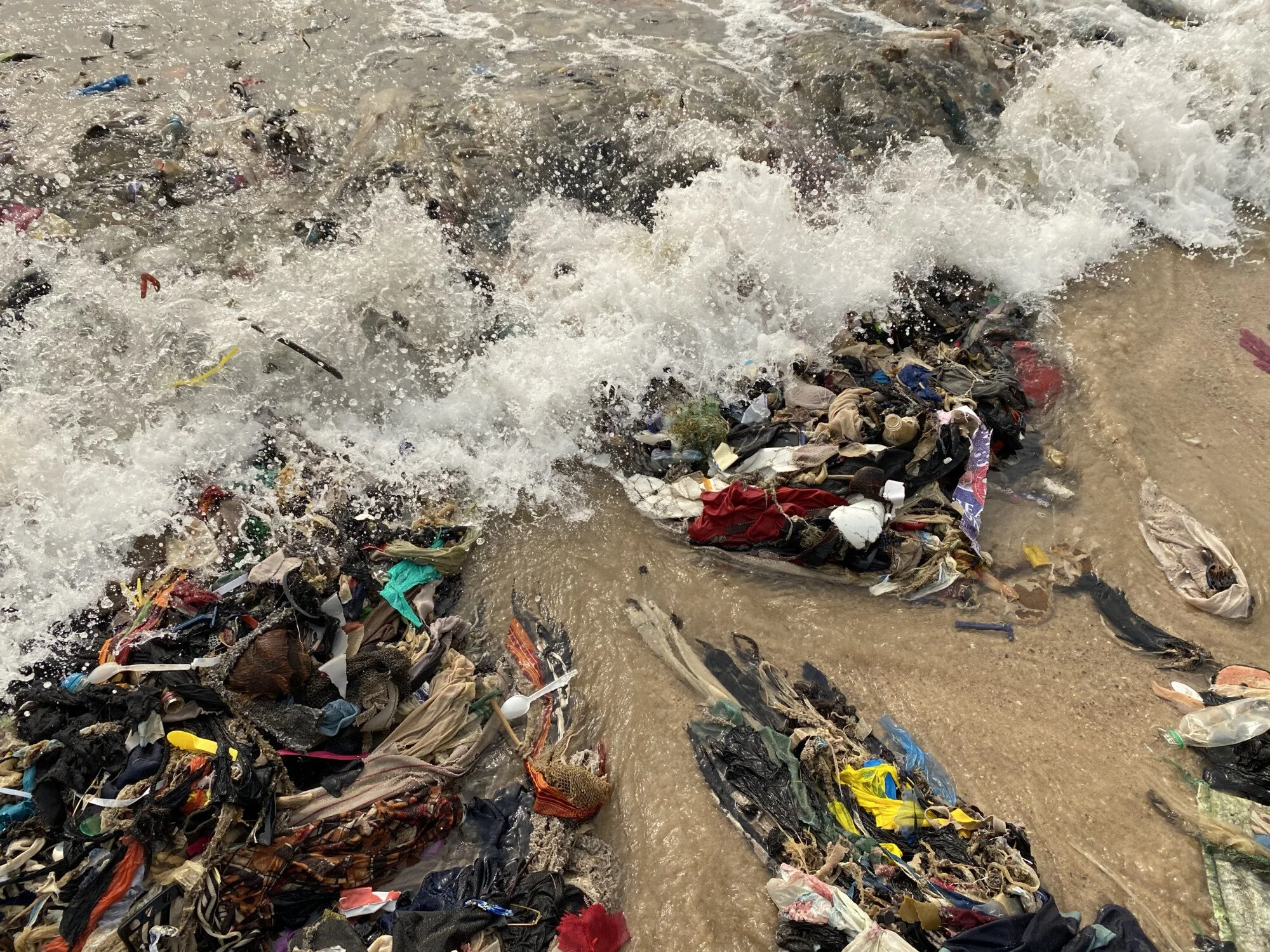

While there is so much more work to do when it comes to addressing circularity in textiles, the fashion industry is becoming more and more engaged in end-of-life solutions. From global textile extended producer responsibility legislation to brands integrating take-back programs and resale platforms to keep their items in circulation longer, there has been a definite shift in the way the industry is talking about and thinking about end-of-life pathways. This is an exciting and significant shift.
However, as this week’s guest says – "decomposition is the piece missing from the circular economy conversation."
As an overarching industry, we are investing heavily into recycling technologies and sorting infrastructure – which are key to address the current textile waste crisis – but are largely reactive-driven solutions. They are responding to the continued overproduction, overproduction and take-make-waste model that the fashion industry thrives on.
In The Nature Of Fashion Report released in 2020, it says “The recycling industry relies on complex and costly reverse logistics and sorting, and this is the point: nature doesn’t sort, it disperses.”
As this week’s guest reminds us, we need more solutions that start at the design level, that are proactive, and also – that consider decomposition and the role it can play in shifting the current fashion system.
With this in mind, she and her colleagues have been exploring a nuanced question through collaborations and case studies – what would it take for the fashion industry to handle its own waste the way nature handles decomposition?
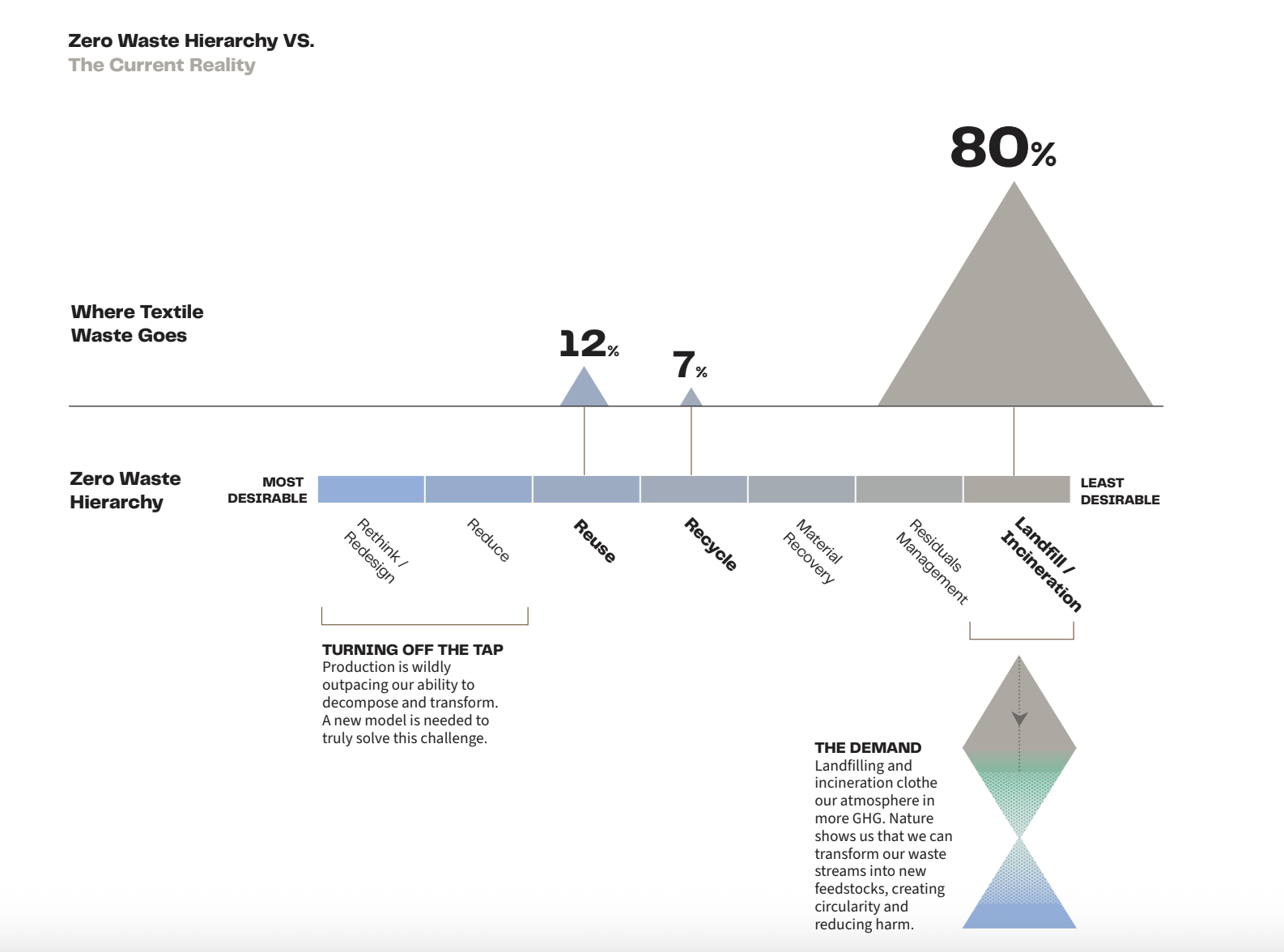
infographic created by The Nature Of Fashion Initiative
Links from our conversation: