
Building a fashion biomaterial company that centers the power of wetland regeneration while supporting farmers' livelihoods



In Episode 348, Kestrel welcomes Julian Ellis-Brown, the CEO of Ponda, to the show. A biomaterial company based in the UK, Ponda is known for their next-generation insulation, BioPuff®, which was designed to keep you warm while regenerating some of our most precious ecosystems.

“We were interested in this question: how might we create a material which is inherently healing to the planet? And where that kind of led us to was – if you want to create a material which is regenerative, what are some of the most regenerative systems that we can look at? And that's originally what started this long journey connected to wetland environments for us.” -Julian
THEME — REGENERATIVE SOLUTIONS INSPIRED BY AND DEVELOPED IN COLLABORATION WITH NATURE
This week, we are building on our theme around REGENERATIVE SOLUTIONS INSPIRED BY AND DEVELOPED IN COLLABORATION WITH NATURE. In this conversation, we learn about a biomaterial company that is focused on making materials for the fashion industry, while supporting wetland regeneration.
While we talked a lot about research and concepts in the last episode, this show is really focused on taking these ideas and translating them into practical multifaceted solutions.
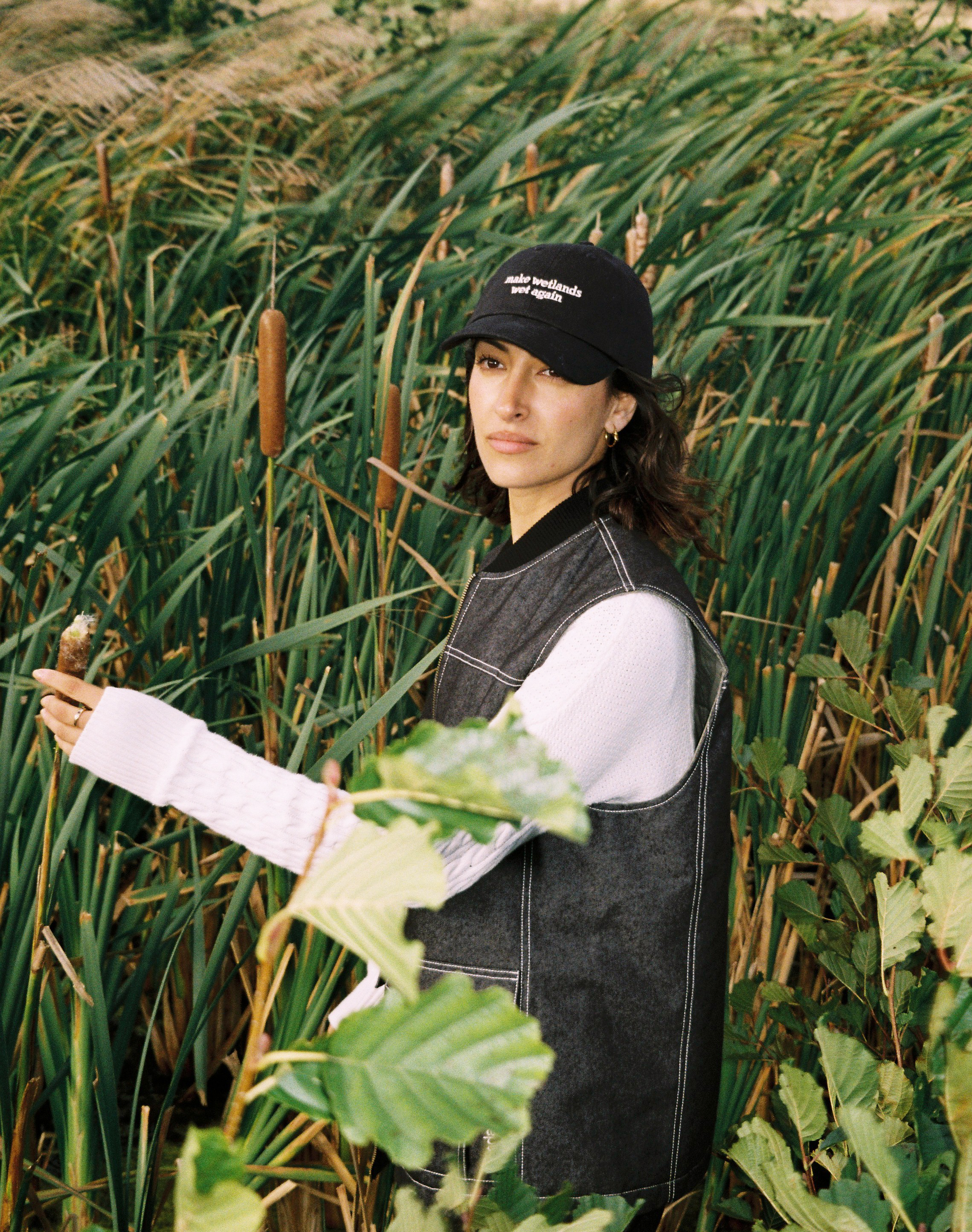
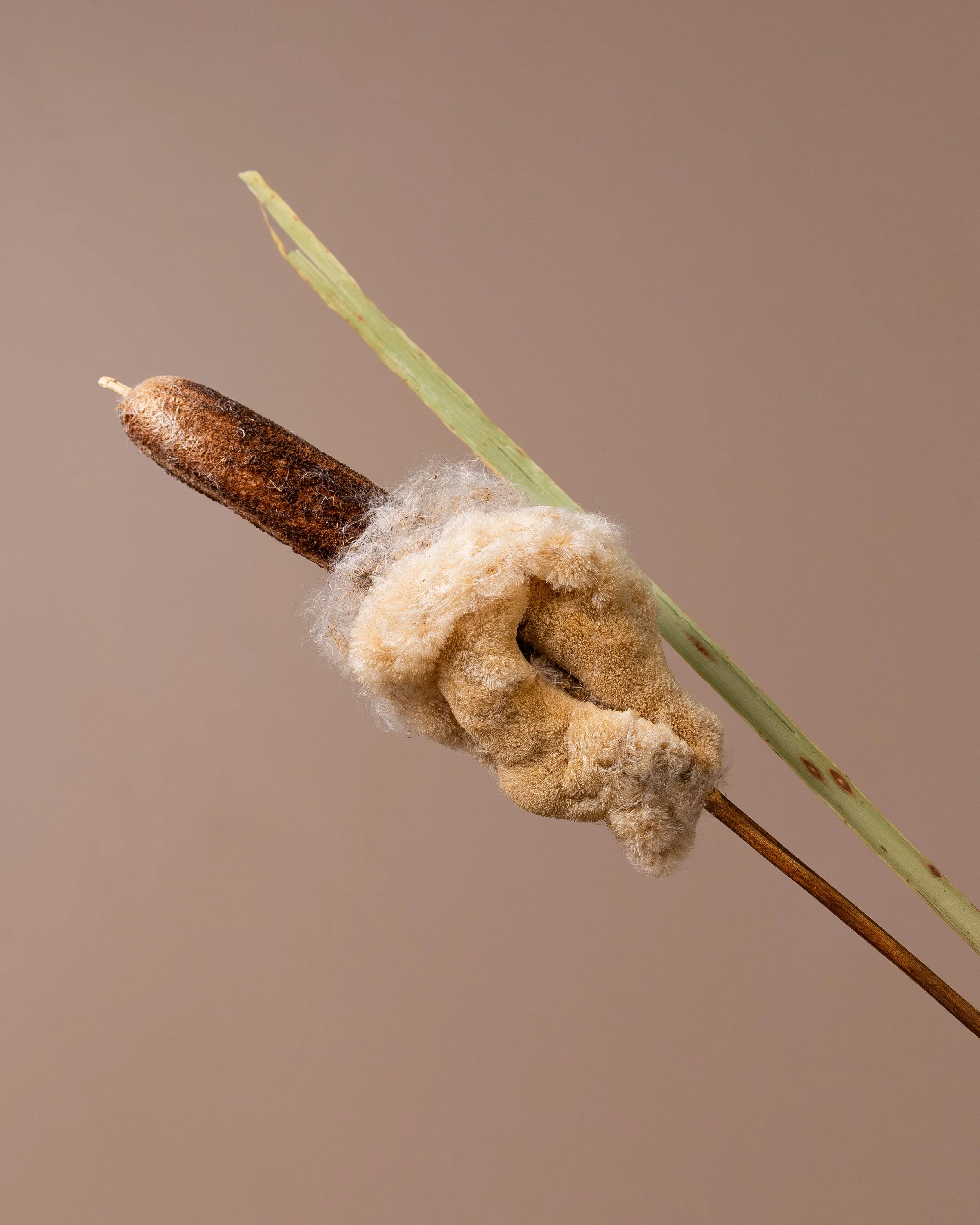
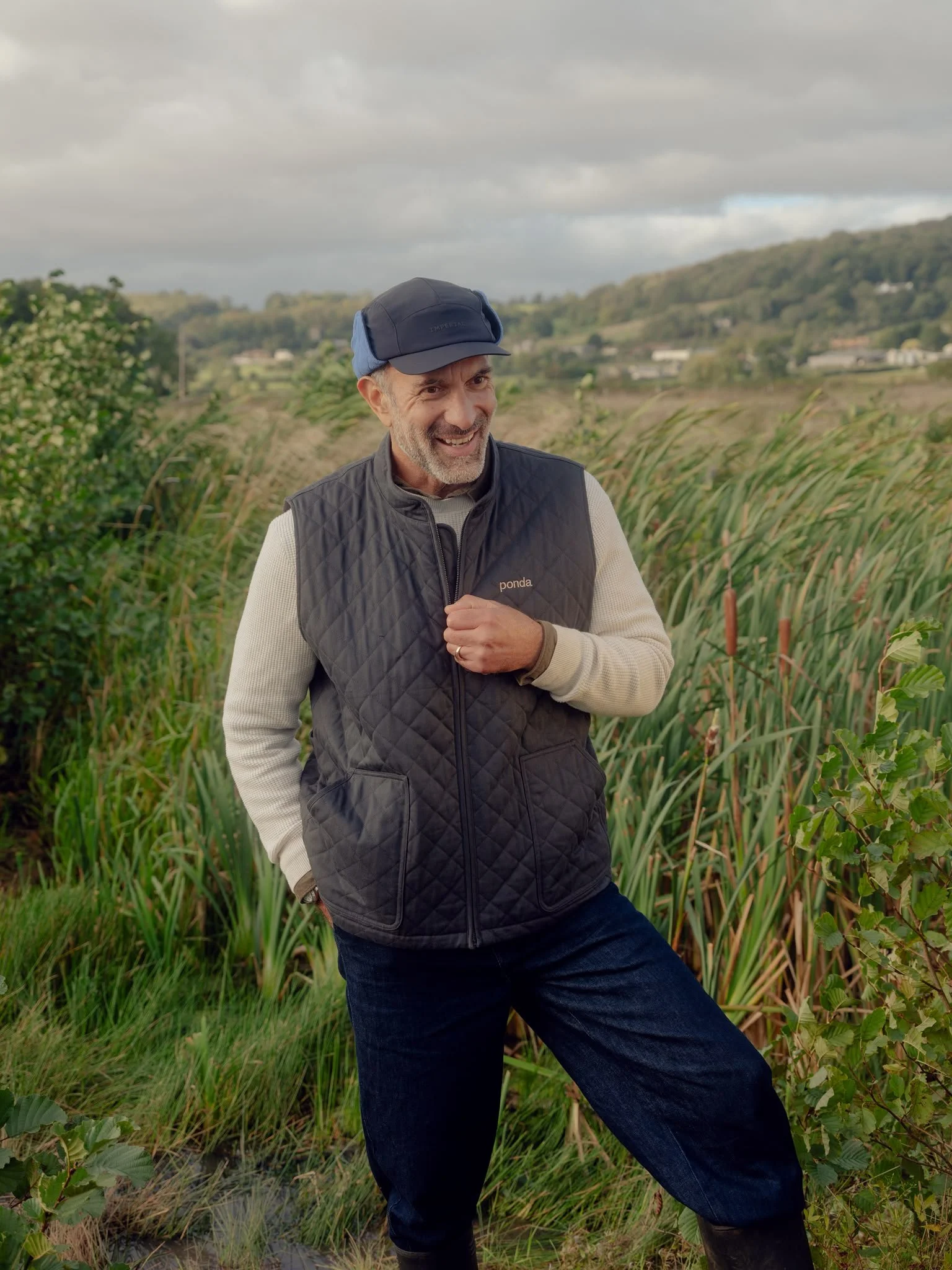
So, as I mentioned, this week’s guest is building a biomaterials company – but they are also largely invested in supporting wetland regeneration, and focusing on this idea of – “Making wetlands wet again.”
Why wetlands?
As my guest shares, wetlands are incredible ecosystems – they hold twice as much carbon as all the trees in the world combined within about a tenth of the area. They are biodiversity hubs for well over 50% of all species on Earth. Wetlands help clean our water and our air – they even strip out heavy metals and at times, PFAs from water sources. But, sadly, large areas of wetlands have been destroyed and damaged, primarily for agricultural purposes – draining wetland areas to access the carbon-rich soil beneath them.
You may be wondering where the biomaterial aspect comes into play here …
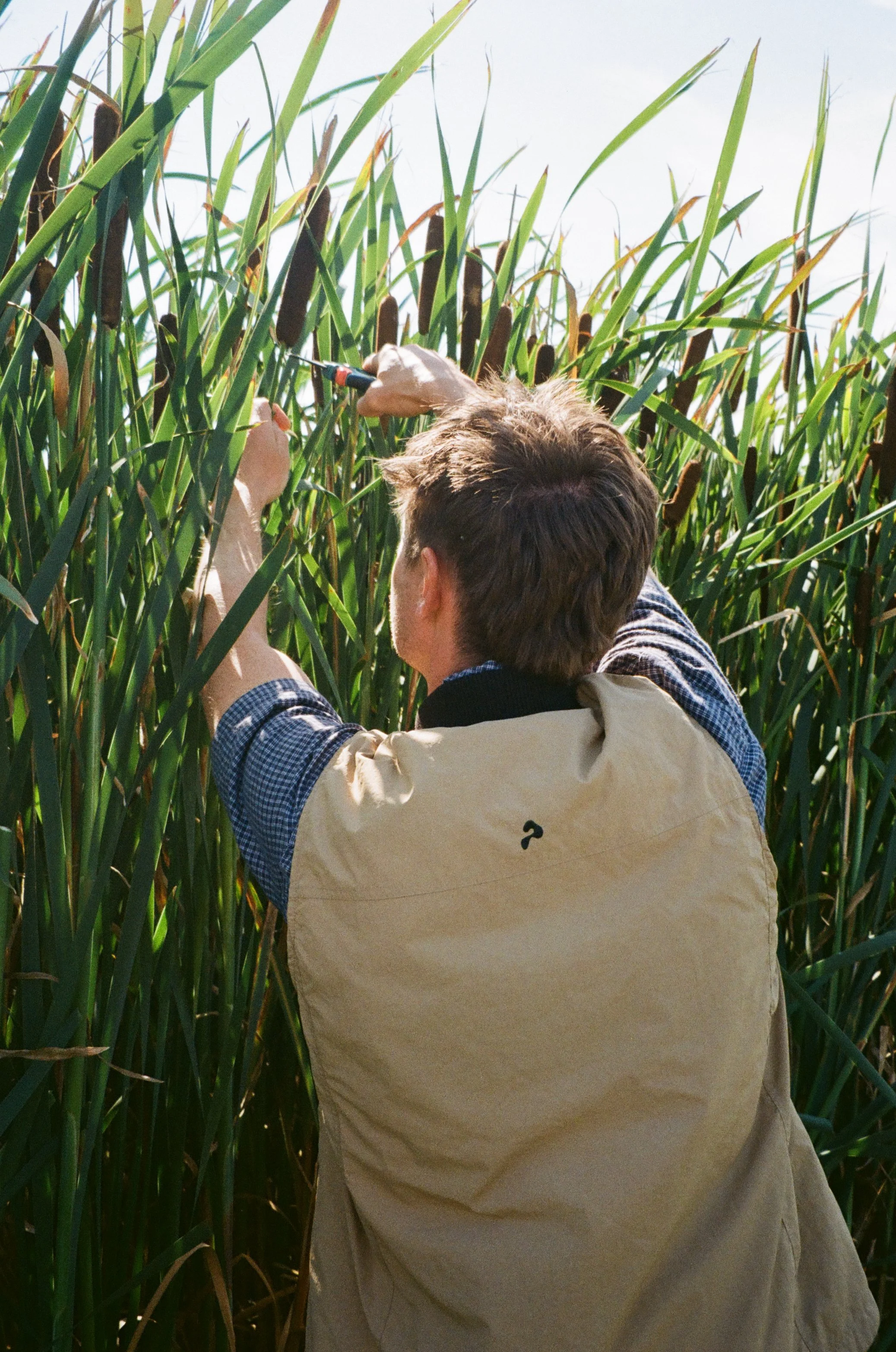
So, through their company, they are collaborating with farmers to rewet their lands, so they can engage in paludiculture, or “wetter-farming” – and in the process, they are growing Typha Latifolia, also known as bulrushes, or what many folks in the U.S. may know as cattails. They then extract the fluffy fibers from inside the plant, creating a next-generation cruelty-free insulation that helps reduce reliance on feather and synthetic fillers.
As I mentioned, they are truly focused on multifaceted solutions – we explore what wetter farming could mean not only from a conservation perspective, but also for farmers’ livelihoods and financial sustainability. We learn why they decided to bring their own biomaterials to market, how they have thoughtfully built out their supply chain, and why they care about connecting shoppers with the wetland origins of their products.
Links and quotes from our conversation:
“You can think of a healthy wetland or a healthy peatland as essentially like a jar of pickles. Anything that's sort of pickled has this incredibly long shelf life and it kind of stores all of that organic matter inside of it. But if you drain like the pickle juice out of a pickle jar, the pickles will rot, right? And that's essentially what's happening on a global scale with these drained peatlands and wetlands. We've drained the water, the pickle juice in the analogy, out of these spaces, and all of the organic matter which was held within that water is just being exposed to the air. It's literally just rotting into the atmosphere, creating huge amounts of carbon emissions.” -Julian