
3D weaving, how this technology could reduce waste, costs and emissions, and what that could mean for systems change across fashion


In Episode 344, Kestrel welcomes Beth Esponette, the Cofounder and CPO at Unspun, to the show. A fashion-tech company, Unspun has built the world’s first 3D weaving technology for apparel. Their OneWeave™ system enables woven products to be made locally in California, on demand, and with almost zero waste.

“Sewing machines are incredible things and can make products in a really great way. But what if we went to the drawing board and kind of started from scratch and took inspiration from nature and took inspiration from the concepts of growth and decay? And when you get very conceptual and you peel back layers and you take away a lot of the assumptions you've made, you do make some weird choices. But eventually, it might lead to something like a new path.” -Beth
THEME — RETHINKING FASHION’s Conventional Manufacturing Models

Building on last week’s episode, this show continues to expand on the theme of RETHINKING FASHION’S CONVENTIONAL MANUFACTURING MODELS.
I’ve found myself very enthralled with these two approaches — the idea of digitally dyed denim which we heard about from Adam of Triarchy in our last episode, and another concept we’re about to explore in this show. Through each approach, they are basically cutting out steps that are typically required in the clothing manufacturing process today.
Through creative solutions, they are engaging in systems change through practice. It’s not a theoretical concept they are exploring – they are in the process of doing it. Amidst the current times we are living in, full of performative statements, actions without accountability and a whole lot of AI slop, these two founders are bringing me so much hope.

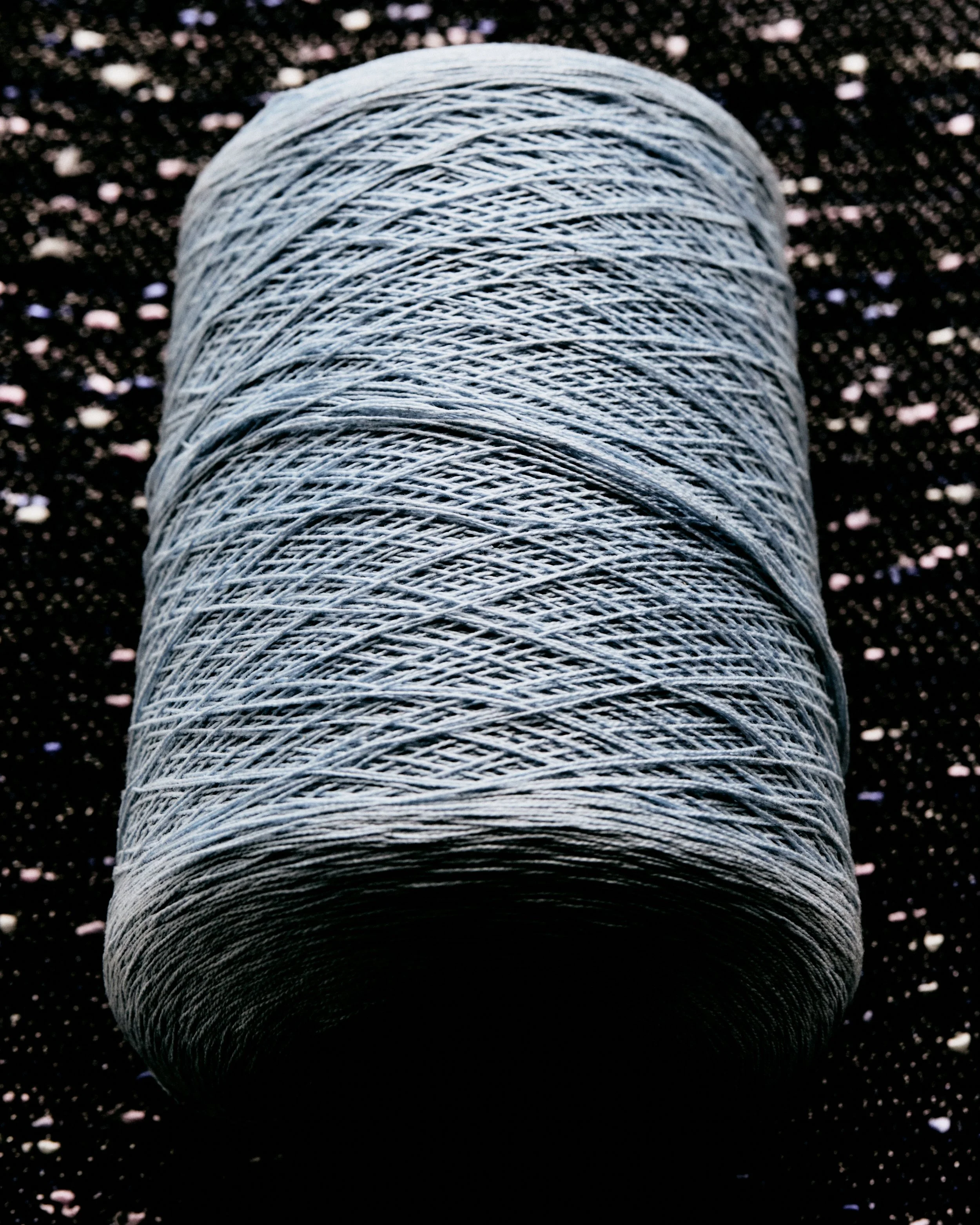
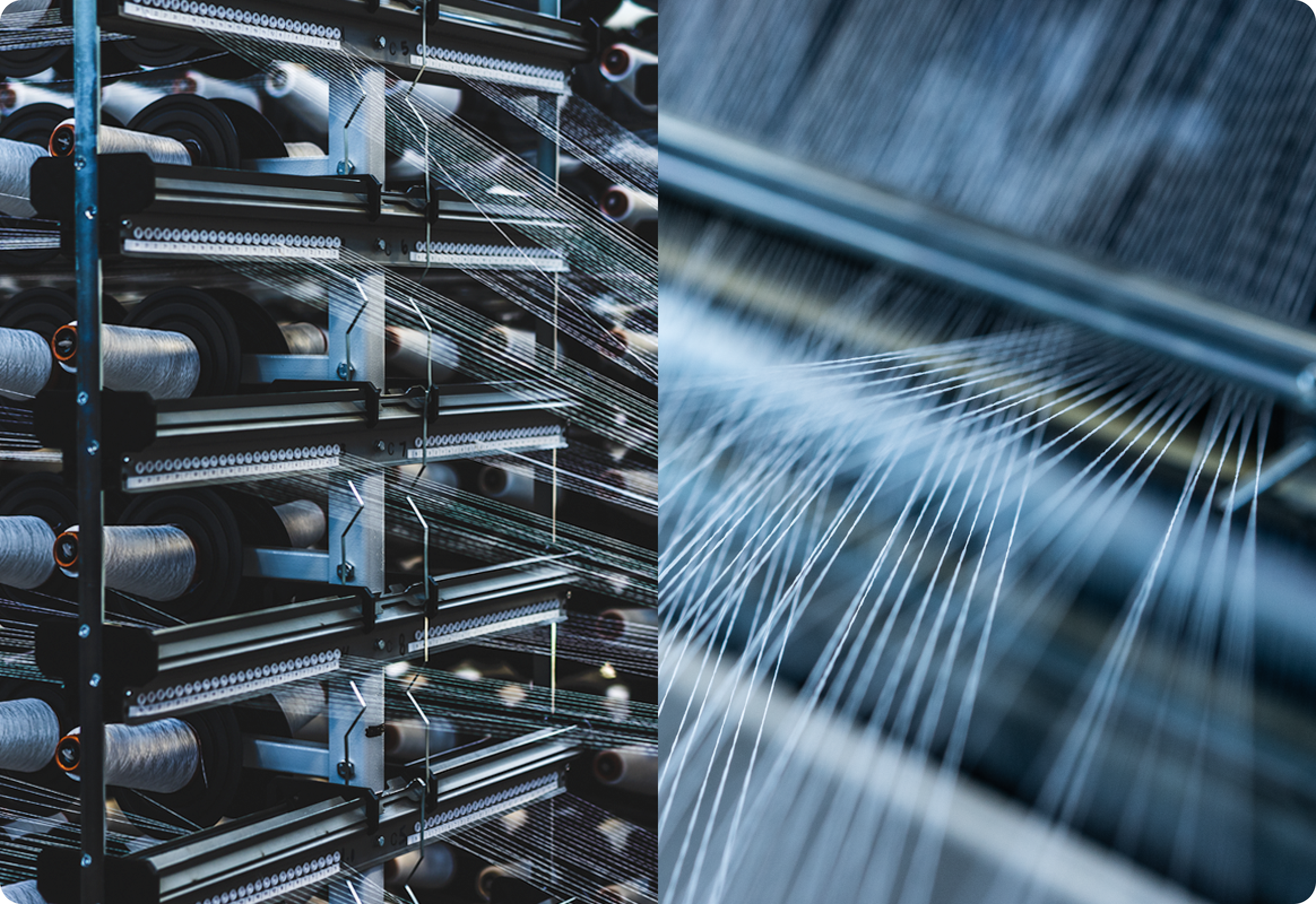
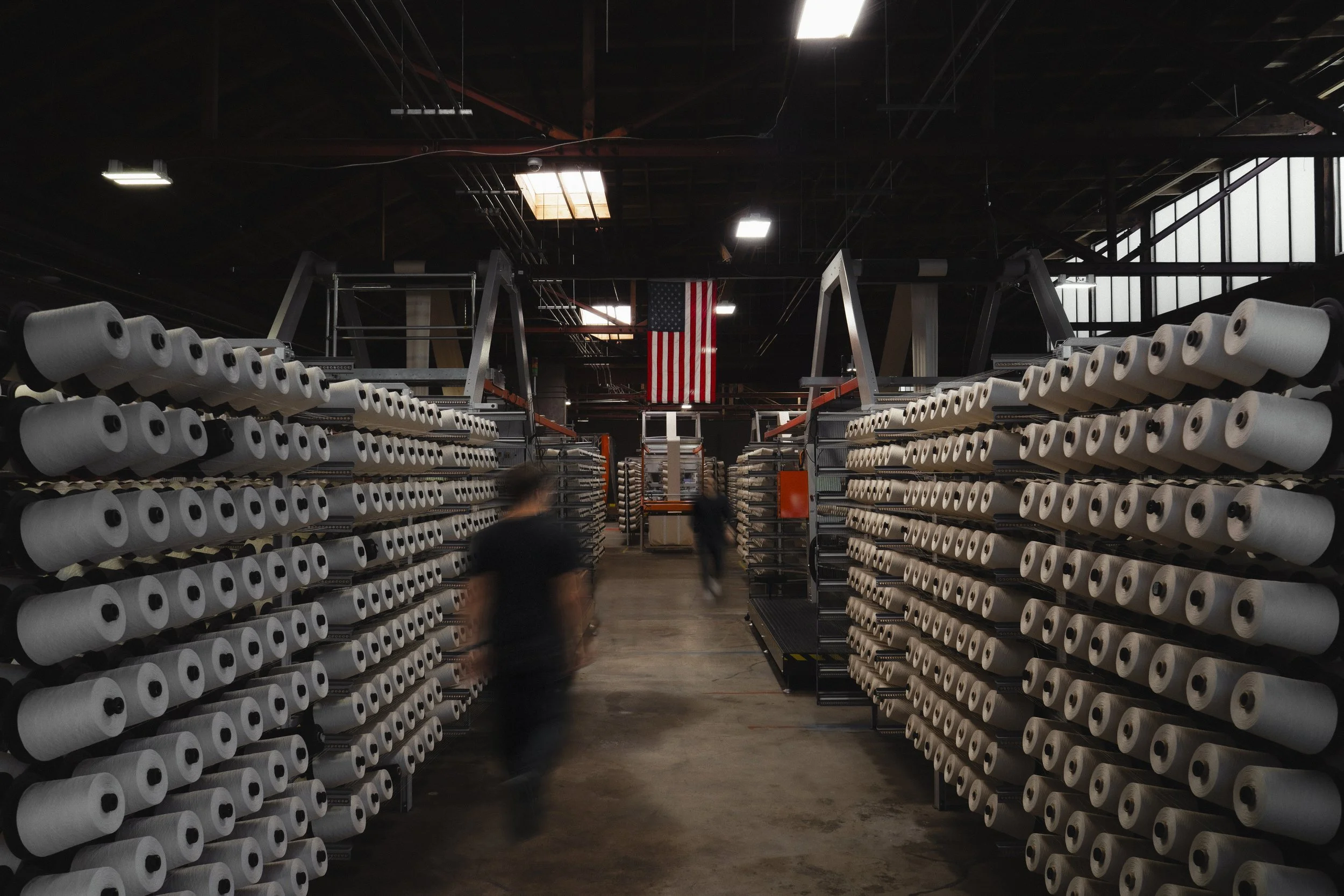
This week’s guest has developed a creative solution for garment making – what she and her team call 3D WEAVING. In this reimagined approach, the steps of fabric weaving along with the cut and sew process combine together into one individual step – as they say, they take you from yarn to garment in 20 minutes, all under one roof.
As you’ll hear from her, there is massive potential to reduce the current environmental impact of the fashion industry through consolidation of the supply chain – which is what my guest’s company is hyper-focused on – pushing to reduce global human carbon emissions by 1% through revolutionizing how and where clothing gets made.
From yarn to energy to waste, this technology brings very interesting ideas to the fore – we explore how 3D weaving works in practice, the various ways it can reduce emissions, whether the industry is ready for this type of systems change, what a just transition looks like when incorporating this technology, and the complex yet important role that pledges play in pushing for change.
Quotes and links from our conversation:
“Humans have created the systems that we kind of exist in. We've created our own worlds. And I think we should always be questioning them because yes, this system of how we make clothing has been around for 200 years, but in the grand scheme of things, 200 years is not that long. And there are other ways that we might be able to consider making them.” -Beth